
Give 'em a Game, Skip.
"This could be South Africa's year" - Mickey Arthur
Whatever happens to Aiden Markram and the South African team during the Super Eights and the rest of the T20 World Cup, the selection of the playing XI for the final Group D match against the UAE won’t be remembered or talked about as a ‘turning point’ in the campaign, win or lose. But it might be in years to come when the history of World Cup campaigns is reviewed.
Many countries complete their campaigns at ICC events with some players unused but over the years and decades since 1992 South Africa’s tendency towards a fixed starting XI and ‘reserves’ has been a cause of consternation and possibly a contributing factor in their failure to win one.
Amongst post-apartheid captains, Hansie Cronje’s conservatism was exceeded only by his predecessor, Kepler Wessels, for whom the term ‘voluntary practise’ was a non-sequitur. Wessels was captain at the 1992 World Cup and selected veteran spinner Omar Henry and fast bowler Tertius Bosch in just a single game each. Bosch bowled just 2.3 overs, the final three balls when the game was long lost.
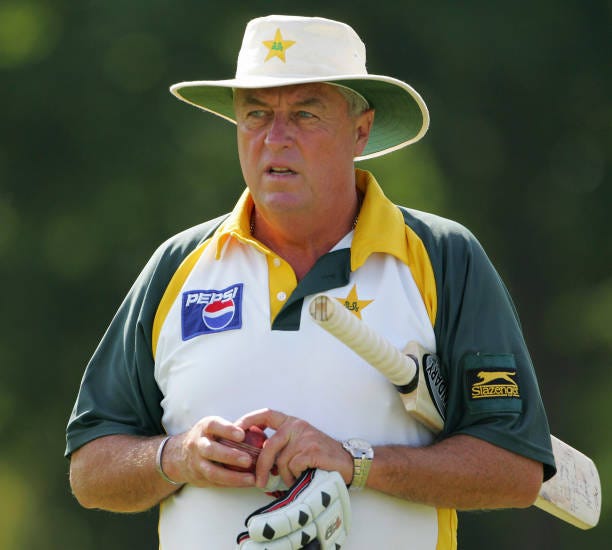
Cronje took over the captaincy for the 1995/96 tournament and was persuaded by coach Bob Woolmer to make use of all 14 players but remained embittered by the quarter-final loss to the West Indies after Woolmer had controversially persuaded him that replacing Allan Donald with Paul Adams in the spin-friendly conditions of Karachi was a good idea.
Four years later he was fixated on the importance of ‘continuity’ to the extent that three members of the squad did not play a single game. Dale Benkenstein, Alan Dawson and Derek Crookes never sniffed a minute of playing time and Nicky Boje played the first game before being replaced by Steve Elworthy in an all-pace attack.
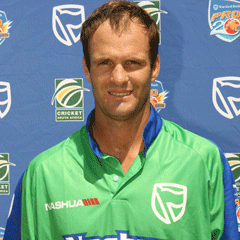
When Jacques Kallis was injured before the Super Six match against Australia at Headingley, a match in which a Proteas victory would have eliminated Australia and guaranteed South Africa a semi-final place, Cronje had no faith in his spare swing-bowling all rounder as Dawson had not played for over a month. The ‘tried and trusted’ Boje was recalled on a green pitch. Australia won thanks to Steve Waugh’s century and Herschelle Gibbs’ infamous drop.
In 2007 it was Roger Telemachus’ turn to carry drinks for the entire trip while Loots Bosman played just a single game. In 2023 Lizaad Williams went unemployed throughout the competition even when it became apparent that South Africa couldn’t qualify for the semi-finals.
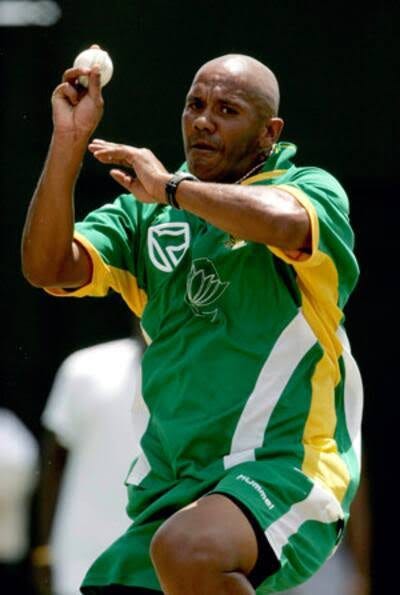
Perhaps the most glaringly ‘wrong’ decision was to play Imran Tahir in every game during the 2015 WC and leave Aaron Phangiso on the bench for almost two months – even for the final qualifying match against the UAE with a quarter-final place comfortably secured. It felt wrong at the time and made for painful listening during the SJN hearings almost a decade later.
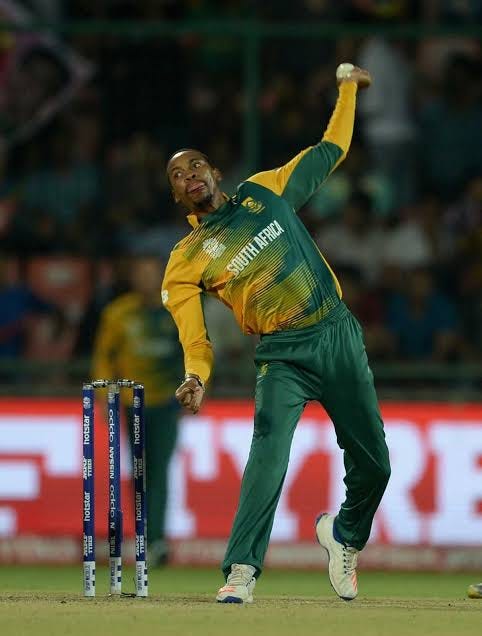
There’s no shortage of purely cricketing reasons for choosing either ‘continuity’ or ‘rotation’, the Kallis/Dawson situation being the most obvious. But there is also a subtler dynamic involving personality, ego and cohesion amongst players both on and off the field. Everybody likes to feel wanted – ‘needed’ is even better.
“The three of us were drinks waiters from the moment we touched down in England,” recalls Benkenstein. “We naively hoped we might get a game against Kenya but it soon became obvious that wasn’t going to happen. There was a clear and not very healthy ‘them and us’ feeling in the squad.”
Eight years later Telemachus spoke about “four or five guys who controlled the ship with the rest of us below decks out of sight.” Graeme Smith was a young captain and conceded later that he should, and could have done more to form an integrated squad.
Whatever the captains and coaches thought about the presence of the ‘outsiders’ in their squads, and the reasons for their selection, the collective would have benefitted if every player felt appreciated and worthy of their place.
Which is precisely why it was so reassuring to see no hesitation in giving Kwena Maphaka, Anrich Nortje and Jason Smith their first games against the UAE ensuring that every member of the 15 would play at least once. And with respect to Lungi Ngidi, who has been in fine form, history suggests the chances of him remaining fit to play in the next three, four or five matches are slim. So Maphaka and Nortje might be grateful for the run.
Mickey Arthur, meanwhile, is amongst an increasing number of the cognoscenti tipping the Proteas as the biggest threat to India over the next two weeks: “My heart will always be closest to South Africa and I really do believe this could be their year. You get a feeling by the way players and teams hold themselves during matches, especially when the pressure is on. They looked calm and determined against Afghanistan and they were ruthless against New Zealand.
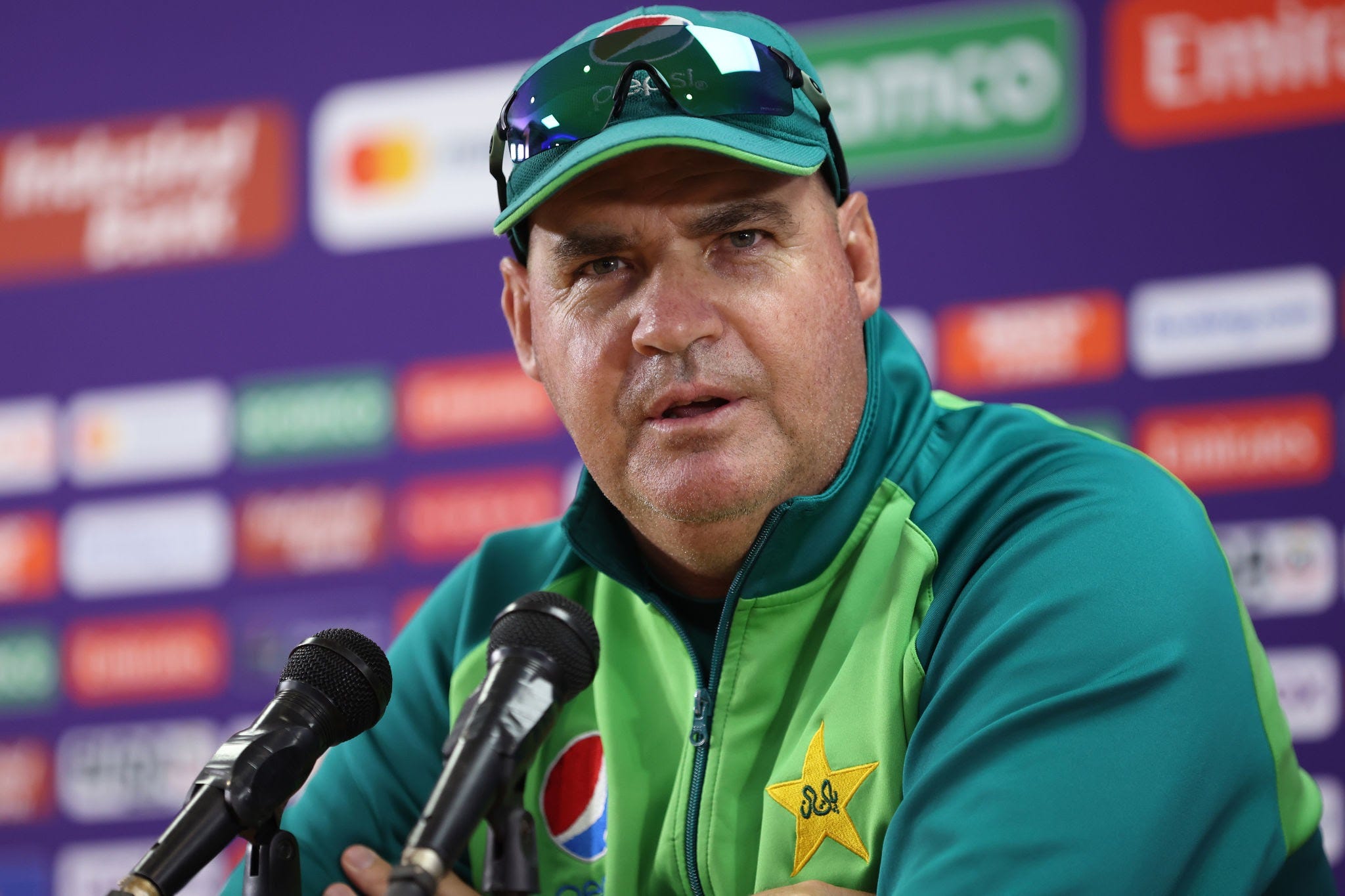
“South Africa have a core of really experienced guys but also just the right amount of young blood. They have the bases covered and, although India will probably beat everyone else in a bilateral series, one-off games in World Cups are very different beasts. The first Super Eight games aren’t actually knockout games, but they will feel like knockout games to the players. Nobody wants to lose that first one,” Arthur said.
Nice to know that England aren't alone with selection mistakes over the years!
I tremble when I read that..... Lets stay under the radar.