
Sell to Highest Bidder.
Especially if there's nothing to Sell
Cricket has changed profoundly over two centuries while remaining, fundamentally, a game between bat and ball. The changes have been gradual until this decade, an era in which the basic foundations of the game everywhere are being shaken. But it is still a game between bat and ball. Score more runs and lose fewer wickets and you’ll win.
Off the field things are less straightforward. The struggles of the ‘small seven’ Test nations to make their domestic T20 tournaments successful are ongoing. The Caribbean Premier League, Lanka Premier League and Bangladesh Premier League have undergone numerous reinventions to reach financial parity, never mind boom.
Pakistan’s Super League has been stable enough to expand to eight teams but some Franchises are far more successful than others. Cricket New Zealand, an inspired and innovative leader amongst the smaller nations, is rendering under the strain of whether to privatise their lean, modest but basically efficient Super Smash.
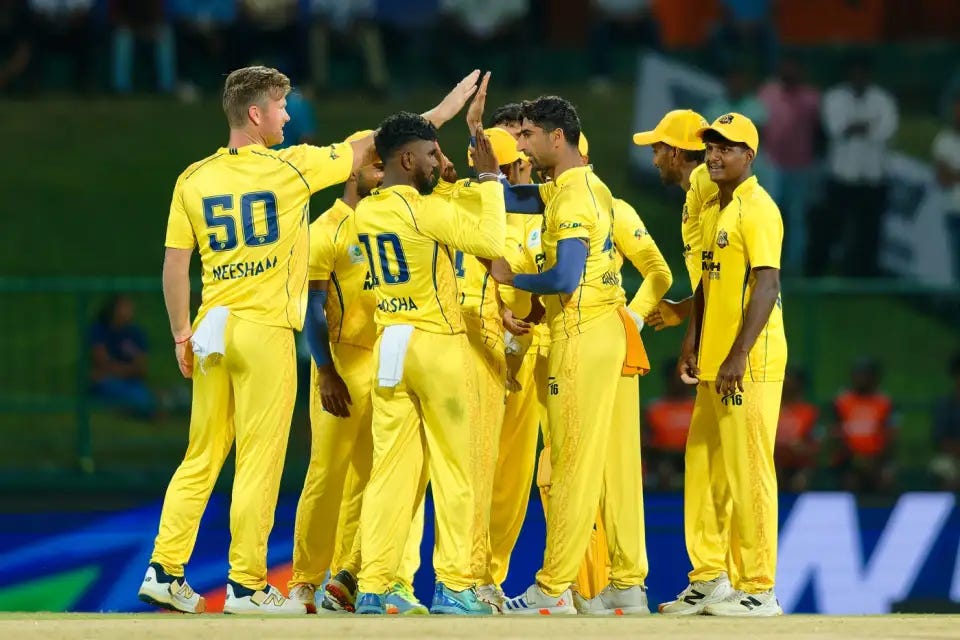
South Africa, belatedly, got its act together with the SA20 and the scene looks rosy. But complex problems remain. The relationship between SA’s IPL Franchises and the host unions, and the SA20 board, are ongoingly stressful. Buy an inch, expect a mile. Demands are expanding all the time. ‘Management’ of the situation is increasingly strained. The paymaster, after all, has the final say.
India changed the cricket world with the establishment of the IPL. After just 18 years it is the hub around which the entire global sport revolves. It was probably that way after ten years. The England Cricket Board chose to take the money and the anxiety is tangible. What have they done? ‘Traditional’ rivalry has been the core of the British sports culture for centuries.
Creating eight, brand new teams, a silly new fourth format, built on expensive marketing budgets, was enough of a gamble. Selling The Hundred for over £500 million was the most impressive heist in the history of cricket. Perhaps any sport. Crowds for the first week of The Hundred were down almost 20% on corresponding figures from last year.
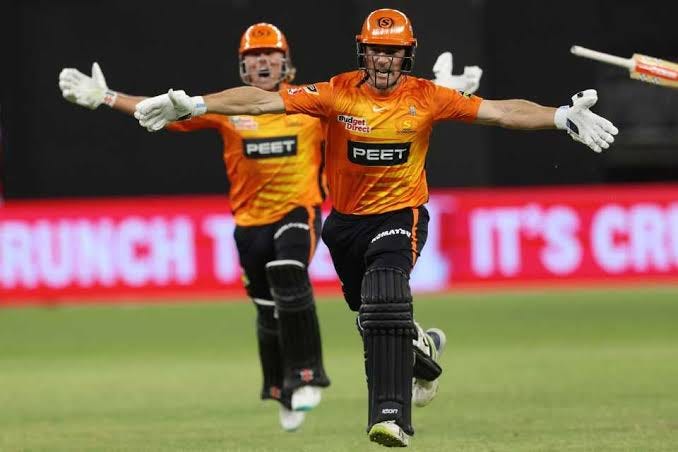
Cricket Australia and their state unions have been wrangling bitterly over the future of the Big Bash. Sell and maximise profits? At what other cost? Their wrangling for almost two years has been further complicated by the stuttering start of The Hundred. Proponents for privatisation are losing ground.
NZC has an established product. The Super Smash may be small but it is popular, reliable and indefatigably Kiwi. It doesn’t generate a great deal of money but, it’s ‘there’. It is familiar and comforting. There may be a dearth of ‘big names’ in the teams, but New Zealand’s cricket lovers know what they’re getting. Teams they follow, players they know and rivalries they are familiar with.
The same indigestible questions exist in Australia, but on a larger scale. The launch of the Big Bash was so successful that Cricket Australia became greedy and expanded its length to an unmanageable two months. To its considerable credit, the mistake was reversed and the event is once again financially successful. But when you’re making money, you naturally want to make more of it, right?
Perhaps that’s where sport and business differ. Or where ‘sports people’ and ‘business people’ differ. There are some administrators who come from both backgrounds. But those who remember and respect the importance of local and regional ‘allegiance’ to the future of a competition’s viability are scarcer than ever.
The greatest difference between England, Australia and New Zealand when it came/comes to selling their wares, and the comparisons they make with the success of South Africa’s sale, is that South Africa had nothing to sell. Worse – they were selling ‘nothing’ on the back of two failed tournaments. They didn’t have a leg to stand on and nothing to offer except good venues and enthusiasm. They are consequently wholly owned by six IPL Franchises and have done spectacularly well to ‘South Africanise’ those teams and fill stadia. The above-water appearance of the tournament is of tranquil, excited success. Below the water is mostly the opposite.
No wonder New Zealand and Australia are torn between keeping what is theirs and has been preciously built, and selling it to the highest bidder. England have muddied the waters by building a fake and selling it for a fortune.
+The final, unfortunate word of this column goes to my passionate campaign for CSA to reschedule the second Test match against Bangladesh at Centurion, currently fixed from Monday to Friday during school term-time, into a day-night Test. It would not just make a profound financial difference to the union, but to the long-term future of Test cricket in South Africa.
It appears that CSA Director of Cricket, Enoch Nkwe, has ruled out the possibility on the grounds that Test captain, Temba Bavuma, and coach Shukri Conrad, “don’t want it.” Readers of my previous columns will know that Conrad was (is?) very open to the possibility. It seems dead at the moment. But I won’t stop yet. It seems some important people haven’t been talking to each other.
Good piece. I've been a big fan of The Hundred, but the rebrands and new kits are a terrible idea, though I realise that is how you get the Indian money. Maybe next year might be more of a compromise between the Indian identity and the original brands. Apparently they've bumped up ticket prices too.
The game is being ruined. Fewer competitions lead to more anticipation. Unfortunately, the business people all want to cash in before the Ponzi scheme comes crashing down.